
Binary Encoding | The Billings Computer
June 03, 2020 • EPISODE 22
What is binary? In this episode of Science LIVE, Roger Billings explains the essential role of binary encoding in computer systems and how data is processed and stored using binary code. He also introduces the Billings Computer, the first all-in-one personal computer developed in the 1970s. Tune in to learn how binary powers the technology we use every day!

About DrB
Dr. Roger Billings is a visionary innovator whose work has touched the lives of millions of students and transformed the landscape of education. Widely known as “DrB” to the countless kids who benefit from his groundbreaking Acellus learning system, Dr. Billings has dedicated his life to advancing education through technology.
As part of DrB’s lifelong commitment to supporting education, Science LIVE was launched as a way to “give back” by mentoring students in conjunction with the Roger Billings Scholarship Program.
Read more about DrB »
About the Roger Billings Scholarship Program »
Follow
Recent Episodes

303. How to Win the Science Fair
Watch the latest episode of Science Live.
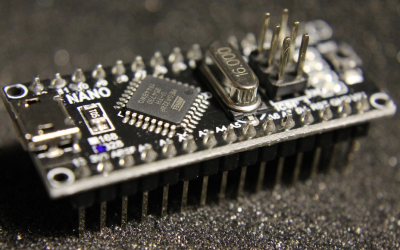
302. Inventioneering with Microcontroller
Learn the fundamentals of microcontrollers and how to apply them in real-world projects.
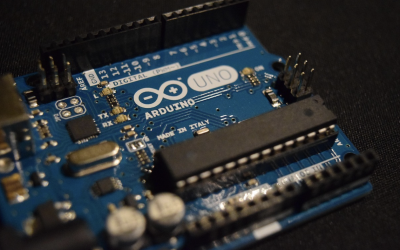
301. The Amazing Arduino
Discover how Arduino goes beyond a microcontroller—powering robotics, smart devices, and real-world STEM projects that turn ideas into reality.
I love learning about technology before this time!
WOW!
Can anyone do binary encoding?
Well done!!
It’s all about the tech.
Wow! That’s all I can say.